Submitted: July 21, 2026 | Accepted: July 27, 2026 | Published: July 29, 2026
Citation: Okoroezi DO. Cannabis and Mental Health: A Systematic Review and Meta-analysis of the Neuropsychiatric Effects, Therapeutic Potentials, and Policy Implications of THC and CBD. Arch Psychiatr Ment Health. 2026; 10(1): 49-58. Available from:
https://dx.doi.org/10.29328/journal.apmh.1001067
DOI: 10.29328/journal.apmh.1001067
Copyright license: © 2026 Okoroezi DO. This is an open access article distributed under the Creative Commons Attribution License, which permits unrestricted use, distribution, and reproduction in any medium, provided the original work is properly cited.
Keywords: THC; CBD; Psychosis; Psychiatric disorders; Cannabinoid therapy; Cannabis policy; Mental health outcomes
University of Northampton, UK
*Corresponding author: Diamond Onyekachi Okoroezi, University of Northampton,, UK, Email: [email protected]
Aim: This systematic review and meta-analysis examined the neuropsychiatric effects of cannabis, focusing on the contrasting roles of Δ9-tetrahydrocannabinol (THC) and cannabidiol (CBD). It evaluated their associations with psychiatric outcomes, assessed the therapeutic potential of cannabis-based products (CBPs), and identified evidence gaps relevant to clinical practice and mental health policy.
Methods: The review was conducted in accordance with PRISMA guidelines. Electronic databases (PubMed, Scopus, Web of Science, Cochrane Library, and Google Scholar) were searched for studies published between 2005 and 2025. Eligible studies included randomized controlled trials, observational studies, mixed-methods studies, and systematic reviews investigating the psychiatric or neuropsychological effects of THC, CBD, or CBPs. Study quality was assessed using the Joanna Briggs Institute critical appraisal tools. Meta-analysis was performed where appropriate, and narrative synthesis was used for heterogeneous outcomes.
Results: Of 3,503 records identified, 14 studies met the inclusion criteria. THC was consistently associated with an increased risk of psychotic symptoms, cognitive impairment, and anxiety, whereas CBD demonstrated potential antipsychotic, anxiolytic, and neuroprotective effects. Evidence for CBPs in treating psychiatric disorders was limited, with modest short-term benefits but insufficient support for long-term efficacy. Small sample sizes, heterogeneous dosing regimens, and inconsistent outcome measures limited the strength of the evidence.
Conclusion: THC and CBD exhibit distinct neuropsychiatric profiles. Although CBD shows therapeutic promise, robust evidence supporting its long-term effectiveness in psychiatric care remains insufficient. Standardized clinical trials are needed to establish optimal dosing, evaluate long-term safety and efficacy, and inform evidence-based clinical guidelines and public health policies.
Psychosis, depression, anxiety disorders, and substance-induced psychiatric disorders remain one of the serious concerns for global public health [1]. In addition to this, over the past few years, interest in cannabis and its pharmacologically active compound Delta-9-Tetrahydrocannabinol (THC) and Cannabidiol (CBD) has increased significantly and has given a boost to researchers studying its therapeutic and psychiatric side effects [2,3]. Although THC has shown a relation to its psychotomimetic properties and an increased risk of psychosis [4,5], its pharmacological sister compound CBD has revealed a possible anxiolytic effect, antipsychotic effect, and even neuroprotection properties that make for a complex and intriguing dual narrative that continues to perplex researchers and practitioners to this day [6,7].
The growing medicalization and legalization of cannabis worldwide and its increased recreational use have further added to the controversies surrounding its safety and efficacy in psychiatric illnesses [8,9]. Even though a rising number of studies have proved that cannabis-based medications are effectually beneficial in specific conditions like epilepsy, multiple sclerosis, and chronic pain management, a similar level of evidence linking cannabis and psychiatric disorders is still lacking and often inconsistent [10]. The need to distinguish between its medicinal and harmful properties in psychiatric contexts has therefore made it all the more important to review the existing literature.
Furthermore, there remain many gaps in current literature regarding how cannabinoids affect psychiatric symptoms, the impact of dosage and formulation on efficacy and safety, and individual and contextual variables that may interact with those factors [11]. The heterogeneity in study methodologies and individual differences in study subjects makes it more challenging to apply findings to clinical and mental health policies.
We proposed to systematically assess the psychiatric significance of cannabis use and its therapeutic uses through cannabinoids with a special emphasis on clarifying differences between the impact of Delta-9-Tetrahydrocannabinol and Cannabidiols. We hypothesized that while Cannabidiols can have a protective and therapeutic role in some psychiatric disorders, Delta-9-Tetrahydrocannabinol can have a deteriorating effect in psychotic and affective dimensions with an impact on mental health in contrasting patterns.
Moreover, this review had the additional objectives of (1) examining the effect of THC and CBD on psychotic symptoms and mental health in total as a way of supplying an evidence-based perspective on their neurological effects; (2) evaluating the efficacy of cannabis-based medicinal interventions in psychiatric practice in order to illuminate their clinical application and limitations; and (3) pointing out some missing aspects and imperfections in present studies regarding cannabis and its effect on psychiatric variables as a kind of guide for future studies. We assumed that resolving some inconsistencies in reviews related to cannabis and psychiatric variables could provide a substantial benefit in this field.
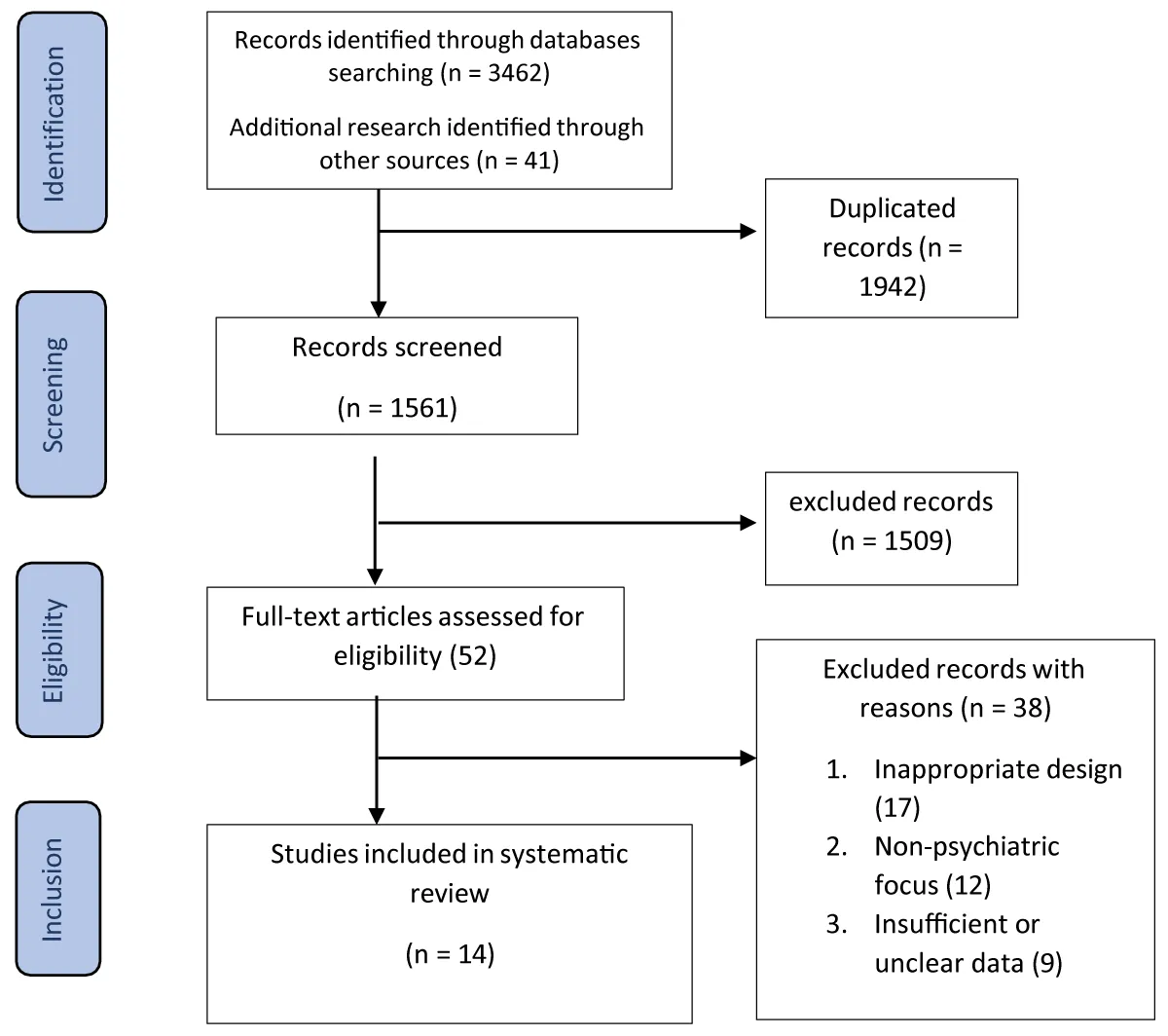
The study employed a systematic review design in keeping with Preferred Reporting Items for Systematic Reviews and Meta-Analyses (PRISMA) guidelines as shown in Table 2 (Click here)Table 2 and Figure 1. The review systematically gathered empirical literature regarding the effect and efficacy of cannabis and cannabinoids for mental health-related variables including psychosis, moods disorders, anxiety disorders, and cognition disorders. Both quantitative and qualitative literature were used to systematically assess risk, efficacy, and safety of Δ9-tetrahydrocannabinol (THC) and Cannabidiols (CBD) in a psychiatric setup.
The literature search included databases like PubMed, Scopus, Web of Science, PsycINFO, Cochrane Library, and Google Scholar. The literature search included papers that were published between 2005 and 2025. The literature search strategy took into consideration the PRISMA guidelines. The literature search took into consideration a number of keywords. The keywords that were involved in this literature search included “cannabis and mental health,” “THC and psychosis,” “CBD and psychiatric disorders,” “cannabinoid-based therapy,” “cannabis use disorder and treatment,” “cannabis and depression,” “cannabis and anxiety,” and “the psychiatric outcomes of cannabis exposure.” In a literature search, boolean logic techniques like AND and OR are used to connect keywords. Other papers that were relevant to this literature review were identified through citation searching. The literature review considered papers that had provided empirical information regarding the effect, efficacy, and safety of cannabis and/or its related therapeutic approaches and various aspects of mental health and/or psychiatric disorders in human subjects.
The systematic review considered studies that included adolescents and adults in both clinical and non-clinical settings in whom cannabis and/or cannabinoid-based substances were used, and in those with psychiatric and mental health disorders, including psychosis and schizophrenia. In addition to this group, research that involved subjects without health disorders that examined psychological and/or cognitive aspects related to THC and/or CBD administration were considered.
Research studies conducted purely on animal subjects/models, preclinical studies, and in children under 13 years were excluded in this review since their characteristics in neurodevelopment and pharmacology are different from those of adult psychiatric disorders as highlighted in Table 1.
| Table 1: Showing inclusion and exclusion criteria | |
| Studies were included if they: | Studies were excluded if they: |
| Concentrated on the utilisation, impact, and/or therapeutic properties of cannabis as well as cannabinoids within a related context. Examples of a cannabis-related context include THC, CBD, and/or synthetic cannabinoids. | Examined non-cannabis substances (such as alcohol, opioids, and psychedelics), and substance use in aggregate without specifying cannabis. |
| Investigated psychotic and/or psychological disorders like psychosis, schizophrenia, depression, anxiety disorders, PTSD, bipolar disorders, and cognition. | Solely focused on physiological and pharmacokinetic endpoints (i.e., pain, nausea, appetite, sleep) that are not directly related to mental health. |
| Included human subjects 13 years and above. The subjects could either be patients or community members. | Would have been conducted solely on animal studies/models and/orin vitroand/or in paediatric patients under 13 years of age. |
| Utilizing empirical study designs that are capable of producing either primary information or a meta-analytic integration, including Randomized Controlled Trials, Cohort studies, Cross-Sectional studies, Case-Control studies, and Systematic |
Did not include commentaries, opinion pieces, letters to the editor, editorials, and/or reviews that lacked primary and/or quantitative |
| Identified measurable psychiatric and/or cognitive endpoints. Used standardized questionnaires and/or diagnostic procedures to measure endpoints. | Lack of adequate methodologies, unclear outcome measures, and insufficient information for extraction. |
| The sources were peer-reviewed journals between 2005 and 2025 in English and available in full text. | Were not peer-reviewed, were published prior to 2005, were not in English, or were conference abstracts. |
The key studies examined in this review yielded information regarding the effect of cannabis and cannabinoid-based interventions on mental health endpoints like psychotic symptoms, mood changes, anxiety, cognitive deficits, and more generally, on psychosocial functioning. The review also encompassed clinical trials and studies evaluating the safety and tolerability of THC and/or CBD and related cannabinoids for their efficacy in addressing and/or interacting with mental health disorders. The review excluded studies that lacked information on mental health and cognition end points and those that examined cannabis in contexts purely related to physiological and/or non-mental health dimensions like appetite stimulation and/or controlling seizures.
The titles and abstracts of all retrieved articles were independently evaluated for eligibility by two reviewers based on pre-established inclusion and exclusion criteria. The full-text articles that met the pre-established criteria for inclusion were systematically obtained for review. Any disagreements in article selection were mutually resolved through a consultation and agreement process to ensure rigor in methodology and reduce bias in article selection. A structured data extraction form designed in Microsoft Excel was used to systematically collect key study characteristics, including author and year of publication, population and sample size, study location, design and setting, type of mental health disorder, intervention type and details, key findings and impacts, barriers to implementation, and recommendations. The extracted information is independently validated for its accuracy and completeness.
We used RoB 2 for randomized trials, ROBINS-I for non-randomized primary studies, and AMSTAR-2 for systematic reviews and/or meta-analyses. The risk of bias assessments was conducted independently by two reviewers. Any discrepancies were resolved through consensus.
The reason for adopting a narrative synthesis is that there are divergences in the designs, participants, and outcome measures. The thematic structure for this synthesis is based on three objectives. The first one is to examine the effect of THC and CBD on psychotic and mental health symptoms. The second is to determine how effective cannabis-based medicinal approaches are in mental health practice. The final one is to point out where more research is required.
In this systematic review, a broad range of study designs has been chosen to encompass both experimental and observational findings. There were several eligible study types that included Randomized Controlled Trials (RCTs), quasi-experiments, cross-sectional studies, cohort studies, mixed-method studies, and systematic reviews/met-analyses. The eligibility criteria included a description of methodologies in each study, which had to include sample information and psychiatric outcomes where applicable in experimental studies. There were to be no animal and non-psychiatric studies.
The database search yielded a total of 3,462 potentially relevant studies. An additional 41 relevant studies were uncovered through the manually screened reference lists. Hence, a total of 3,503 studies were retrieved. After removing 1,942 duplicates, a total of 1,561 distinct studies were retrieved for screening. After carefully evaluating titles and abstracts, a total of 1,509 studies were eliminated for not meeting inclusion criteria. The full text of 52 studies was evaluated for inclusion. Of this number, 38 studies were eliminated for not relevant design (n = 17), not psychiatric (n = 12), and not relevant and insufficient/ambiguous information (n = 9). In total, 14 studies were identified to have met inclusion criteria and therefore included in this systematic review. The included studies were heterogeneous in design. Specifically, a total of six were randomized controlled trials. Five were systematic reviews and/or meta-analyses. There were two cross-sectional studies. There was one longitudinal cohort. Mathematically: {6 + 5 + 2 + 1=14}. The studies were independently appraised for technique and risk of bias via the Joanna Briggs Institute appraisal checklist. Moreover, all discrepancies were resolved via consensus. Hence, a rigorously well-designed systematic review according to strict guidelines as set out within the Preferred Reporting Items for Systematic Reviews and Meta-Analyses (PRISMA) diagram is ascertained as is evident in Figure 1.
Figure 1: PRISMA Flow diagram of studies included in the review.
The Joanna Briggs Institute (JBI) Critical Appraisal Checklist is employed to identify biases and study quality as represented in Table 3. The majority of studies are graded as moderate to high in quality (Points 4-9), indicating varying degrees of rigor. There is more generalizability in randomized studies and reduced risk of bias in convenience and purposive sampling. Some studies had uncertainties regarding response rate, subjects’ information, and procedures for handling data. Although many studies have used well-established scales like PANSS, HAM-D, and GAD-7, some others have used self-constructed and not-validated scales that contributed to reduced reliability. The variability in controlling confounding variables and measurement validity is a point for concern. In subsequent studies, established scales need to be considered for better transparency. The sampling strategy needs to follow randomization for better authenticity. However, it has to be acknowledged that all studies were somewhat informative regarding therapeutic as well as psychiatric effects contributed by THC and CBD. There is a need for more standardized randomized trials in this context.
| Table 3: Risk of bias assessment for included studies. | |||||||||||
| S/N | Study (Author, Year) | Was the sample frame appropriate to addressthe target population? | Were study participants sampled in an appropriate way? | Was the sample size adequate? | Were the study subjects and setting described in detail? | Was the data analysis conducted with sufficient coverage of theidentified sample? | Were valid methods used for the identification of thecondition? | Was the condition measured in a standard, reliable way for allparticipants? | Was there appropriate statistical analysis? | Was theresponse rate adequate, and if not, was the low response rate managed appropriately? | Overall appraisal |
| 1 | Ganesh etal., 2022 | Yes | Unclear | No | Yes | Yes | Yes | Yes | Yes | Yes | Moderate |
| 2 | Chester etal., 2021 | Yes | Unclear | No | Yes | No | Yes | Unclear | Yes | Unclear | Moderate |
| 3 | Ahmed etal., 2021 | Yes | Yes | Yes | Yes | Yes | Yes | Unclear | Yes | Not applicable | Moderate |
| 4 | Choi et al.,2024 | Yes | Yes | Yes | Yes | Yes | Unclear | Yes | Yes | Unclear | Moderate |
| 5 | Sexton et al., 2016 | No | No | Yes | Yes | Yes | No | Unclear | Partially appropriate | No | High |
| 6 | Sarris et al.,2020 | Yes | Yes | Yes | Yes | Yes | Unclear | Unclear | Yes | Not applicable | Moderate |
| 7 | Bonaccorsoet al., 2019 | Yes | Yes | Yes | Yes | Yes | Unclear | Unclear | Yes | Not applicable | Moderate |
| 8 | McKee etal., 2021 | Yes | Yes | Yes | Yes | Yes | Yes | Unclear | Yes | Not applicable | Low |
| 9 | Black et al.,2019 | Yes | Yes | Yes | Yes | Yes | Yes | Unclear | Yes | Not applicable | Low |
| 10 | Allan et al.,2018 | Yes | Yes | Yes | Yes | Yes | Yes | Unclear | Yes | Not applicable | Moderate |
| 11 | Sorkhou et al., 2021 | Yes | Yes | Yes | Yes | Yes | Unclear | Unclear | Yes | Not applicable | Moderate |
| 12 | Berny et al.,2025 | Yes | Yes | Yes | Yes | Yes | Yes | Unclear | Yes | Not applicable | Low |
| 13 | Sorkhou etal., 2024 | Yes | Yes | Yes | Yes | Yes | Unclear | Unclear | Yes | Not applicable | Moderate |
| 14 | Moore etal., 2007 | Yes | Yes | Yes | Yes | Yes | Yes | Unclear | Yes | Not applicable | Low |
The findings obtained from the examined literature provide conclusive differences between Delta-9-Tetrahydrocannabinol (THC) and Cannabidiol (CBD) regarding their impact on mental health. THC triggers psychosis-related symptoms, anxiety, and impaired cognition in users, while CBD has protective and anti-psychotic properties that could potentially mitigate THC’s negative effect. In this context, it was observed that pre-treated CBD administrated in a 1:1 ratio remarkably reduced psychosis-related side effects caused by THC [12]. Furthermore, research demonstrated that administering 800-1,000 mg/day of CBD per day minimized positive symptoms in schizophrenic patients with less side effect when compared to conventional anti-psychotic medications [13]. In a similar study conducted, it is demonstrated that a dose-associative effect between high-THC concentrations and psychosis development occurs primarily in new users [14]. On this basis and in line with its modulation role in stabilizing the Dopaminergic and Serotoninergic systems that could underlie its therapeutic and potential value in psychiatric health boosting and rehabilitation., Another study confirmed that chronic users of high-THC concentrations are more likely to develop cognition and emotional deficits even in healthy users [15]. There is conclusive evidence that THC and CBD have opposite side and therapeutic and health value. Therefore, rather serious discrepancies in therapeutic and health-related aspects among examined literature are observed.
The findings from various studies revealed that CBD exerts a neuroprotective moderating effect that lessens the psychiatric and cognition-related side effects caused by THC. A study showed that pre-treatment with CBD reduced psychotic and anxiety side effects caused by THC in a significant manner for all concentration ratios, but specifically when a ratio of 1:1 for both substances is used [12]. Similarly, another study suggested similar moderating properties wherein pre-treatment with a dose of 800-1000 mg of CBD a day lessened positive psychotic symptoms and side effects related to extrapyramidal dysfunction [13]. The study supported its moderating role through its anti-inflammatory properties in binding to neural pathways. The moderating role of CBD in this context is supported by its properties of indirectly binding and regulating CB1 and 5-HT1A receptors that are overstimulated through excessive THC activity. It was further suggested that whilst more studies are required, there are tentative indications that anxiety and psychosis can benefit from pre-treatment with CBD [11]. The literature review suggests that a moderating agent in mitigating psychiatric and cognition-related side effects of THC can indeed play a pivotal role in controlling substance abuse and dependence. However, heterogeneities in concentrations and modes of delivery preclude this line of inquiry from offering concrete findings. Dosage response and clinical-level studies are required to specifically identify a balanced ratio of how and when to apply a mix of CBD and THC for ameliorating psychiatric side effects.
The examined literature offers a mixed view regarding the clinical effectiveness of cannabis-based medications in psychiatric practice. Although some sources have documented a modest level of symptoms reduction for certain diagnoses, for a substantial number of psychiatric and cannabis-based medicine studies, a clear conclusion regarding their clinical effectiveness has not yet been established. In this context, very few evidences were found to suggest a beneficial effect of pharmaceutical cannabinoids regarding depression, anxiety disorders, PTSD, and psychosis, as demonstrated in a critical review conducted [16], in addition to this, those methods were observed to have a temporary effect in relation to symptoms reduction in relation to schizophrenia and anxiety disorders and failed to provide substantial and clear evidence for the use of cannabis flowers in psychiatric practice. In a similar context and for similar diagnoses under a temporary basis regarding symptoms reduction in relation to anxiety disorders and schizophrenia were documented [10]; moreover, some other authors have documented that those medications had a tentative effect in relation to anxiety disorders and psychosis.11,17 Moreover, a substantial number of those methods were found to have a potential effect in relation to anxiety disorders and psychosis as demonstrated in a review conducted [11,17]; in this context, a substantial number of substances documented in those studies were considered to have inconsistencies in relation to formulation and dose in addition to that those methods had a substantial number of side effects in relation to dizziness and dissociation as demonstrated in a critical review conducted [18]. CBD-based methods have a tentative effect in relation to psychiatric disorders and a substantial number of those methods have a substantial number of limitations in relation to formulation and side effects. Overall literature statements regarding cannabis-based medications for psychiatric disorders have not supported a clear level in relation to clinical effectiveness. In a similar context and in a substantial number of psychiatric disorders a more designed and well-considered randomized controlled trial is required for those methods in addition to that a substantial
The literature review above underlines rising concerns and challenges associated with cannabis usage within a public health context. Findings imply that extensive and pure THC cannabis smoking is associated with psychosis and emotional instability in even a physically and mentally healthy individual [14,15]. In terms of policies and legislation within this field, literature underlines that while brief drug interventions in a clinical setup failed to decrease cannabis smoking in a controlled and systematic fashion over a substantial period of time, this failed strategy proved successful in emergency setups [19]. In this analysis above and for a better understanding within a similar context, it is underlined that current preventive strategies are not effective in curtaining improper cannabis smoking and its resultant psychiatric disorders. In this context and a similar setup above, it was specifically emphasized that a corresponding lack of uniform legislation regarding medicinal smoking of cannabis has contributed to rising inconsistencies in its purity and dosage [16]. Therefore, and in this context above, this review and its undertaking imply that there is a pressing need for legislation regarding cannabis in a more evidence-based and corresponding fashion.
The results of the examined studies show a valuable insight into the medical potential of cannabis-based treatment as well as its limitations in mental health care. There is some evidence that cannabinoids including CBD and THC derivatives provide short term relief in some psychiatric disorders, although the effectiveness and safety of cannabinoids are inconclusive in the long run.
CBD has shown promise in reducing anxiety and psychotic symptoms, with relatively few adverse effects [11,17]. Nevertheless, these studies also reported the inconsistency of dosage, formulation and duration in different trials. On the other hand, high-THC formulations usually had a negative side, with some causing anxiety, sedation, or cognitive impairment, making them less therapeutic [10,16]. Although the formulations based on CBD showed favorable tolerability and low abuse potential, a small number of large scale randomized clinical trials limits generalizability. In general, cannabis-based therapies could be useful as add-on treatments and not as a main intervention in the treatment of psychiatric disorders. The way forward of future studies should be standardization of cannabinoid formulations, elucidation of dose-response relations, and long-term follow-ups which are necessary to determine clinical and safety profiles in mental health practice.
The review sought to investigate the differential impact of Δ9-tetrahydrocannabinol (THC) and cannabidiol (CBD) on the mental and psychotic issues to comprehend their functions.
The results of the literature were also consistent that THC and CBD have opposite neuropsychiatric effects. THC caused psychotomimetic and anxiety-like symptoms, and CBD considerably suppresses them, particularly during equal proportions of CBD: THC (1:1) [12]. On the same note, CBD exhibits neuroprotective and anxiolytic activity, which opposes dopaminergic overstimulation typically induced by the intake of THC [13,17]. Conversely, researchers have offered epidemiological data that implicates high-THC cannabis use as a risk factor of psychosis, emotional instability, and cognitive impairment, especially in individuals who use it frequently and those who were exposed to it at an early age [14,15]. These results highlight that psychoactive strength of THC is a decisive factor to determine mental health outcomes. In the meantime, the protective effect of CBD is dose-dependent as low doses have low efficacy to regulate the negative neuropsychiatric effects of THC. Generally, the amount of reviewed evidence corresponds to a neurobiological difference between THC and CBD, according to which THC increases the risk of psychosis and anxiety and CBD shows therapeutic potential in decreasing these conditions. The generalizability of these findings is however limited by methodological variability; little samples size and a lack of a consistent dosing regimen in various studies. Larger controlled trials should be conducted in the future to further explain dose-response relationships and determine standardized CBD: THC formulations that would benefit therapy and be safe to psychiatry.
This review provided consistent evidence that cannabidiol (CBD) interacts with the neuropsychiatric activity of THC as a stabilizing agent or protective factor in persons who are exposed to cannabis. Research showed that the effect of CBD on preventing psychotic and anxiety-like symptoms caused by THC is significant and occurs at balanced or slightly high dilution ratios of CBD and THC [12]. These results are in line with neurobiological evidence that suggest CBD acts on serotonin (5-HT1A) and endocannabinoid receptors to diminish the dopaminergic hyperactivity that is normally related to psychosis and anxiety. CBD also has antipsychotic and anxiolytic effects, which are characterized by better cognitive and emotional control, and no psychoactive impact of THC is observed [13,17]. Conversely, cannabis products with high-THC but low-CBD were associated with more psychotic vulnerability and cognitive impairment as experienced in epidemiological studies [14]. This comparison highlights the buffering nature of CBD in balance of the psychiatric dangers of THC. On the whole, the evidence points at CBD as a possible adjunctive treatment in.
The evaluated evidence offers a complex and sometimes contradictory view regarding the therapeutic value of cannabis-based products (CBPs) for psychiatric disorders. Even though a modest level of effectiveness has been confirmed for CBD in reducing symptoms of anxiety, psychosis, and substance abuse disorders, a substantial level of variability has emerged in individual study findings. Although a positive role for CBD and a compound known as nabiximols has emerged in treating schizophrenia and anxiety disorders [10,17], this finding came largely from small-scale and short-term studies. Similarly, while a study confirmed a modest benefit for CBD in improving symptoms of sleep and post-traumatic stress disorder (PTSD) [11], insufficient evidence had emerged for cannabis-based therapy in either treating and/or managing either depression and/or bipolar disorder. In seeming direct contradiction to this finding, two other studies have highlighted that in many instances in which THC has been employed in either a pharmaceutical formulation for a range of therapeutic goals related to psychic disorders that a mixed and even often negative response had sometimes emerged [13,16]. In all instances except for a common interest in either large-scale controlled testing and/or establishing a more consistent formulation for either cannabis itself and/or its individual key compounds.
The implications that emerge from this literature review illustrate many challenges in addressing cannabis and cannabis compound utilization. The more concrete risk factors that emerge in literature can all illustrate that high-THC cannabis is a risk factor for psychosis and mental disorders [14,15]. The subsequent legalization of cannabis worldwide has raised a concern in this literature review regarding how society is increasingly misinformed about its risk factors in relation to health. The more contemporary literature review conducted in 2024 advocates for similar information in that “CBD is commonly used in addition to medications for physical and psychiatric health concerns in adults. However, few users are under direct medical care and have a documented understanding of pharmacological drug interactions.” The literature supports this point and suggests that a lack of regulations and information on cannabis and cannabis-based bioproducts increases a user’s propensity for substance and mental health disorders. The lack of purity and dosage control in many regions can raise critical concerns in this literature review and can have a much larger effect than one might have thought. There is a greater need to properly manage cannabis regulations and address how this substance will affect many people in society.
The analyzed articles all point to the new yet inconclusive therapeutic importance of cannabis-based treatments in psychiatric treatment. Cannabinoid-based preparations, especially CBD and nabiximols, can be used to improve anxiety, schizophrenia, and substance use disorders [10,17]. Nevertheless, the results are inconsistent and situation-dependent, and have poor long-term effectiveness. Some studies showed that, in the short term, cannabinoids provided advantages to such conditions as neuropathic pain and PTSD, but at the same time, they were associated with undesirable psychiatric side effects (e.g., the risk of addiction and cognitive impairment, anxiety, etc.) [16,18]. The suitability of the study design, its small size, and lack of alignment in dosing regimens are a significant limitation as it is difficult to make clinical standards. Additionally, majority of the current researches do not study the differences in genders, persistent exposure, or neuro-biological consequences of cannabis-related therapies in the long-term. Although these limitations exist, the therapeutic potential of CBD is also worth mentioning because of its positive safety profile and low abuse risks in relation to those of THC. Primarily, in its essence, although cannabis-based therapies have a potential to be used as an adjunctive treatment, the existing evidence base does not warrant such a use of cannabis as a treatment option in regular psychiatric practice. The priorities of future research should include high-powered long-term clinical trials, standardized cannabinoid preparations and strict observation of the adverse effects so that the limits between therapeutic advantage and psychiatric danger can be better delineated.
This review enhances theoretical knowledge on the reciprocal relationship between cannabinoids and mental health mediated via the endocannabinoid system (ECS). THC binding to CB1 receptors is consistent with theories on psychosis mediated via dopaminergic dysfunction and can therefore cause psychosis and exaggerate symptoms. On a complementary note, CBD is consistent with the homeostatic regulation theory and can mitigate imbalances caused by THC as well as have anxiety and anti-psychotic properties. On a similar note, this review enhances our understanding of biopsychosocial theory and how genetic factors, as well as development and environment, contribute to cannabis psychosis and psychiatric side effects. In addition to that, methodologies and frameworks like Health Belief Model and Theory of Planned Behavior provide theoretical underpinnings regarding continued cannabis drug use and its anxiety and psychosis side effects in relation to human health. In a nutshell, this review enhances theoretical knowledge regarding cannabis and its associated psychosis through its biopsychosocial underpinnings and psychological frameworks.
The implications of the systematic review findings for mental health regulation, practice, and health are as follows:
The information gathered in this review has many practical implications for practice in clinical medicine and mental health services as well as for health promotion in society regarding:
The systematic review has some limitations. First, studies included in this systematic review were diverse in terms of design, population, dosage, and preparation of THC and CBD. Second, a large number of studies were of a short-term nature with regards to cannabis use as a self-reporting instrument. There are concerns of biases in this systematic review. The different instruments for diagnosis and variability in measuring psychiatric outcomes are some of the limitations. In addition to this systematic review, some have been conducted in a developed country context. Therefore, one can hardly extrapolate this systematic review to low- and middle-income countries. There could have been a possible publication bias in this systematic review. There is a possibility that this systematic review has not adequately reflected the negative and uncertain findings.
The review here shows that cannabis and its key components, THC and CBD, have different neuropsychiatric properties. THC is largely associated with psychosis and anxiety symptoms. However, CBD has great potential as a protective and therapeutic agent. The literature regarding cannabis-based therapeutic approaches for psychiatry is still encouraging but insufficient and has some limitations like a small sample size and a short duration of follow-up. In relation to health and medicine, one important thing highlighted in this development is that there is a need for strict regulation and caution in relation to cannabis-based therapeutic agents. The literature in this review suggests that while cannabis-based therapeutic approaches are still promising in relation to addressing different psychiatric disorders and challenges associated with psychosis and anxiety disorders, it is important to address some concerns regarding uncontrolled THC stimulation. In this regard, more extensive and larger studies are required to define some critical aspects regarding cannabinoids and therapeutic approaches in relation to addressing different challenges associated with psychosis.
| Included Studies | ||||
| No. | First Author | Year | Study Design | Included |
| 1 | Black | 2019 | Systematic review and meta-analysis | Yes |
| 2 | Bonaccorso | 2019 | Systematic review | Yes |
| 3 | Sarris | 2020 | Systematic review | Yes |
| 4 | McKee | 2021 | Systematic review and meta-analysis | Yes |
| 5 | Ahmed | 2021 | Systematic review | Yes |
| 6 | Ganesh | 2023 | Narrative review | Yes |
| 7 | Dammann | 2024 | Critical review | Yes |
| 8 | Pressman | 2024 | Critical review | Yes |
| 9 | Morgan | 2018 | Randomized controlled trial | Yes |
| 10 | Theunissen | 2022 | Experimental study | Yes |
| 11 | Crippa | 2018 | Narrative review | Yes |
| 12 | Moore | 2007 | Systematic review | Yes |
| 13 | Sorkhou | 2024 | Systematic review | Yes |
| 14 | Calapai | 2019 | Review | Yes |
| Excluded Full-Text Studies | ||
| First Author | Year | Reason for Exclusion |
| Hall | 2019 | Focused on public health policy; no psychiatric outcomes relevant to review objectives |
| Farber | 2024 | Policy reviews without clinical or neuropsychiatric outcome data |
| Berny | 2025 | Focused on cannabis intervention programs rather than psychiatric effects of THC/CBD |
| Chester | 2023 | Investigated cannabis exposure in high-risk populations but did not evaluate therapeutic effects of THC or CBD |
| Choi | 2024 | Population prevalence study without psychiatric outcome assessment |
| Sexton | 2016 | Cross-sectional survey lacking objective psychiatric outcome measures |
| Umana | 2024 | Addressed substance abuse prevalence rather than THC/CBD neuropsychiatric effects |
| Allan | 2018 | Focused primarily on pain, nausea, spasticity, and general harms rather than psychiatric outcomes |
Complete Literature Search Results, Study Selection and, Reasons for Study Exclusion
The electronic literature search was conducted in PubMed, Scopus, Web of Science, Cochrane Library, and Google Scholar for studies published between January 2005 and March 2025. Additional records were identified through manual searches of reference lists. The search yielded 3,503 records. After removal of duplicate records, titles and abstracts were screened for eligibility. Full-text articles meeting the inclusion criteria were assessed independently by the reviewers. Disagreements were resolved through discussion.
Ultimately, 14 studies met the eligibility criteria and were included in the systematic review and meta-analysis.